What is Sports-Related Tendonitis?
Sports arthritis occurs when the fibrous tissues that connect muscle to bone become irritated or inflamed due to overuse or repetitive stress. This tendonitis is common in athletes and individuals who regularly engage in physical activity, incredibly conventional or highly stimulating sports
Tendonitis can occur in different parts of the body but is most commonly seen in areas of stress that tend to occur during sports. Typical weeks are:
- Elbow: Commonly seen in golfers (golfer’s elbow) and tennis players (tennis elbow).
- Shoulder: Common in sports involving throwing or swimming.
- Knee: Known as jumping knee, it is common in sports that involve jumping, such as basketball or volleyball.
- Ankle and Achilles: Commonly seen in runners and athletes involved in jumping sports.
- Fingers and forearms: This can occur in sports that require grip, such as gymnastics or racquet sports.
Why is Physical Therapy Essential in Tendonitis Treatment?
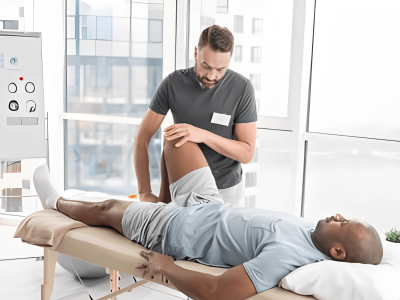
- Building Strength and Rehabilitation: Exercise focuses on strengthening the muscle mass around injured muscle tissues. This not only allows with the contemporary healing technique but additionally helps prevent destiny accidents through strengthening muscles and tendons that withstand exercising strain
- Pain management and relief: Physical therapists use techniques including manual therapy, ultrasound, or electric stimulation to help reduce muscle pain and inflammation That comfort is vital to offering patients have successfully engaged in therapeutic exercises.
- Improve flexibility and mobility: Arthritis often causes stiffness and loss of mobility. Physiotherapists try to improve flexibility and range of motion through stretching and various movement exercises, which can be essential for someone to move to maintain a purposeful motion characteristic.
- Education and preventive measures: Physical therapists provide valuable injury prevention education, including proper warm-up techniques, training modifications, and ergonomic counseling. This knowledge is essential to prevent the recurrence of arthritis and promote long-term dental health.
- Individualized treatment plan: The chiropractor offers a personalized treatment plan based on the individual’s condition, sport, and lifestyle. This individualized approach ensures effective treatment, meeting the patient’s daily functional and athletic goals.
Which Physiotherapy Techniques are Used in Tendonitis Treatment?
Several Sports Injury Physiotherapy techniques are commonly used in the treatment of tendonitis, each tailored to the specific needs of the patient and the severity of the condition. These techniques include
Therapeutic Exercises:
- Eccentric Strengthening: These exercises involve lengthening the muscle-tendon unit under load, which is particularly effective for tendonitis. They help in strengthening the tendon and improving its capacity to handle stress.
- Isometric Exercises: involve muscle contractions without joint movement, which can help reduce pain, especially in the early stages of treatment.
- Stretching Exercises: To improve flexibility and reduce muscle and tendon tension.
Manual Therapy:
- Soft Tissue Mobilization: Techniques like massage to reduce muscle tension and improve blood flow to the affected area.
- Joint Mobilization: Gentle joint movements by the therapist can help improve joint mobility and reduce pain.
- Ultrasound Therapy: This uses sound waves to sell recuperation and decrease infection in the tendon.
- Electrotherapy: Techniques like TENS (Transcutaneous Electrical Nerve Stimulation) can relieve aches.
- Laser Therapy: Low-degree laser remedy can help lessen pain and inflammation.
- Cryotherapy and Heat Therapy: Applying ice packs or warmness can assist in reducing aches and irritation, depending on the degree of tendonitis.
- Taping or Bracing: Taping the affected area can provide guidance, reduce stress at the tendon, and help preserve proper alignment at some point in activities.
- Education and Advice: Information about proper frame mechanics, activity change, and ergonomic modifications to prevent further damage.
- Functional Training: Training to improve a character’s overall performance, which can be particularly important for athletes.
- Aquatic Therapy: Exercises achieved in water can reduce the load on the tendon, even bearing in mind movement and strengthening.
What Role Does Exercise Play in Tendonitis Recovery?

Exercise plays an essential role in recovery from arthritis, especially in preventing complications associated with overuse and sports injuries Approach to exercise programming good is paramount, especially for elite athletes and those with muscle, tendon, or soft tissue injuries. The tendon unit is long.
These exercises effectively rehabilitate muscle injuries by strengthening muscles, thus reducing the risk of injury recurrence.Exercise is an important first step for individuals with serious injuries, such as knee pain, sprained elbow, or severe nerve injury.It will help recover strength and flexibility and help achieve pain-free function.
Customized exercise programs are important in cases such as injuries from baseball or other strength-conservation activities. These programs focus on energy storage exercises that help rebuild the ability of muscles and tendons to store and release energy efficiently, which is key for athletes
How Can AlphaOne Physio Help you Recover from Sports-Related Tendonitis?
AlphaOne Physio can play a pivotal role in your healing from sports activities-related tendonitis via presenting a comprehensive and personalized treatment approach. Here’s how they can assist:
- Assessment and Diagnosis: AlphaOne Physio starts with thoroughly assessing your condition. This includes expertise in the records of your injury, a physical exam, and probably biomechanical assessments to perceive the root purpose of your tendonitis.
- Personalized Treatment Plan: Based on the assessment, AlphaOne Physio will broaden a tailor-made remedy plan that addresses your particular desires. This plan may include a combination of different physiotherapy strategies, healing sporting activities, guide remedies, and modalities like ultrasound or laser remedy.
- Eccentric Strengthening Exercises: A key aspect of tendonitis remedy is an eccentric workout, which AlphaOne Physio will guide you through. These sporting events strengthen the tendon and enhance its capability to handle stress.
- Pain Management: In early treatment, coping with pain and infection is crucial. AlphaOne Physio may also use cryotherapy, warmth therapy, and TENS for ache remedies.
- Improving Flexibility and Mobility: Through stretching and mobility sporting events, they will focus on increasing the flexibility of the affected region, which is critical for full recuperation.
- Correcting Biomechanical Issues: AlphaOne Physio can examine your approach and form on your unique sport if your tendonitis is associated with sports. They will offer steerage on adjusting your technique to reduce strain on the tendon.
- Education and Prevention: You’ll obtain treasured advice on preventing tendonitis from recurring. This includes ergonomic recommendations, proper warm-up techniques, and pointers on balancing education with ok relaxation.
- Functional and Sports-Specific Training: For athletes, AlphaOne Physio can offer purposeful education that is unique to your game, assisting you to go back for your recreation effectively and efficiently.
- Progress Monitoring: Throughout your treatment, AlphaOne Physio will display your development and modify the treatment plan as needed to ensure an exceptional viable outcome.
- Holistic Approach: Recognizing that recuperation isn’t pretty much physical treatment, AlphaOne Physio might also offer recommendations on nutrition, way of life changes, and other factors that can be helpful to resources for your common well-being and recuperation.
Summary
In summary, exercise therapy, especially eccentric exercise, is a cornerstone in treating and managing tendonitis. It meets individuals’ specific needs, from those prone to sports injuries to elite athletes.Additionally, physical therapy is beneficial in reducing the need for more conservative treatments such as massage therapy.
Individuals can better manage their symptoms and prevent future complications with exercises that reduce pain and promote healing. This is especially important in the case of children whose injuries are different from those of adults and require a specialized approach.