Motherhood brings about significant physical and emotional changes. The process of childbirth can leave new mothers with sore muscles, aches, and pains. Hormonal changes can also contribute to mood swings, anxiety, and postpartum depression. It is essential to address these challenges and provide adequate support to new mothers during this vulnerable period.
Becoming a mother is a beautiful and transformative experience, but it also comes with its fair share of challenges. New mothers often find themselves overwhelmed, physically exhausted, and emotionally drained as they adapt to their new role.
In this article, we will explore the importance of self-care for new mothers and specifically focus on how postnatal massage can play a vital role in their well-being and recovery.
What Is Postnatal Massage?
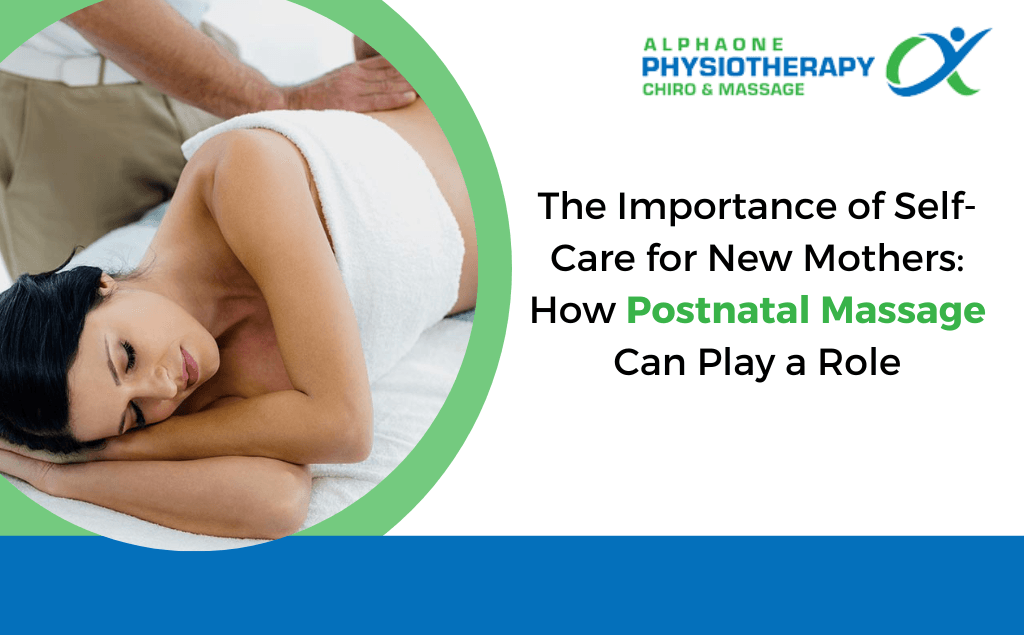
Postnatal massage is a specialized form of massage therapy designed specifically for new mothers. It involves gentle and targeted techniques that address the physical and emotional challenges faced during the postpartum period. The postnatal massage focuses on relieving muscle tension, promoting relaxation, and supporting the body’s natural healing process.
Read Related Article: The Benefits of Regular Massage Therapy for Pain Management and Prevention
Understanding the Importance of Self-Care for New Mothers:
As a new mother, it is easy to neglect self-care while prioritizing the needs of your baby. However, taking care of yourself is crucial for your overall health and well-being. Self-care enables you to recharge, replenish your energy, and better cope with the demands of motherhood. It not only benefits you but also positively impacts your ability to care for your baby.
Benefits of Postnatal Massage for New Mothers:
Relieving Postpartum Pain and Discomfort:
Postnatal massage helps alleviate postpartum pain, including sore muscles, backaches, and joint pain. The gentle strokes and kneading techniques used during the massage promote circulation, reduce inflammation, and provide relief from discomfort.
Promoting Relaxation and Reducing Stress:
The postpartum period can be overwhelming and stressful for new mothers. Postnatal massage offers a soothing and calming experience, promoting relaxation and reducing stress levels. It triggers the release of endorphins, which are natural mood-enhancing hormones, that help to improve emotional well-being.
Boosting Postnatal Recovery and Healing:
The body goes through significant changes during pregnancy and childbirth. Postnatal massage aids in the recovery process by increasing blood flow to the muscles and tissues, promoting faster healing, and restoring the body’s natural balance.
Enhancing Breastfeeding and Milk Production:
Breastfeeding is an integral part of motherhood, and postnatal massage can help support this process. The techniques used during the massage stimulate the production of prolactin, a hormone responsible for milk production. Additionally, it can relieve engorgement, improve lactation, and prevent common breastfeeding issues.
Improving Posture and Muscular Tension:
The physical demands of caring for a newborn can take a toll on a mother’s body, leading to poor posture and muscular tension. Postnatal massage helps realign the body, relieve tension in the neck, shoulders, and lower back, and improve overall posture.
Strengthening the Bond with the Baby:
Postnatal massage provides an opportunity for mothers to bond with their babies. Many massage techniques can be applied to infants, fostering a sense of security and closeness. It also promotes positive touch, which is essential for a baby’s development and emotional well-being.
How to Choose a Qualified Postnatal Massage Therapist
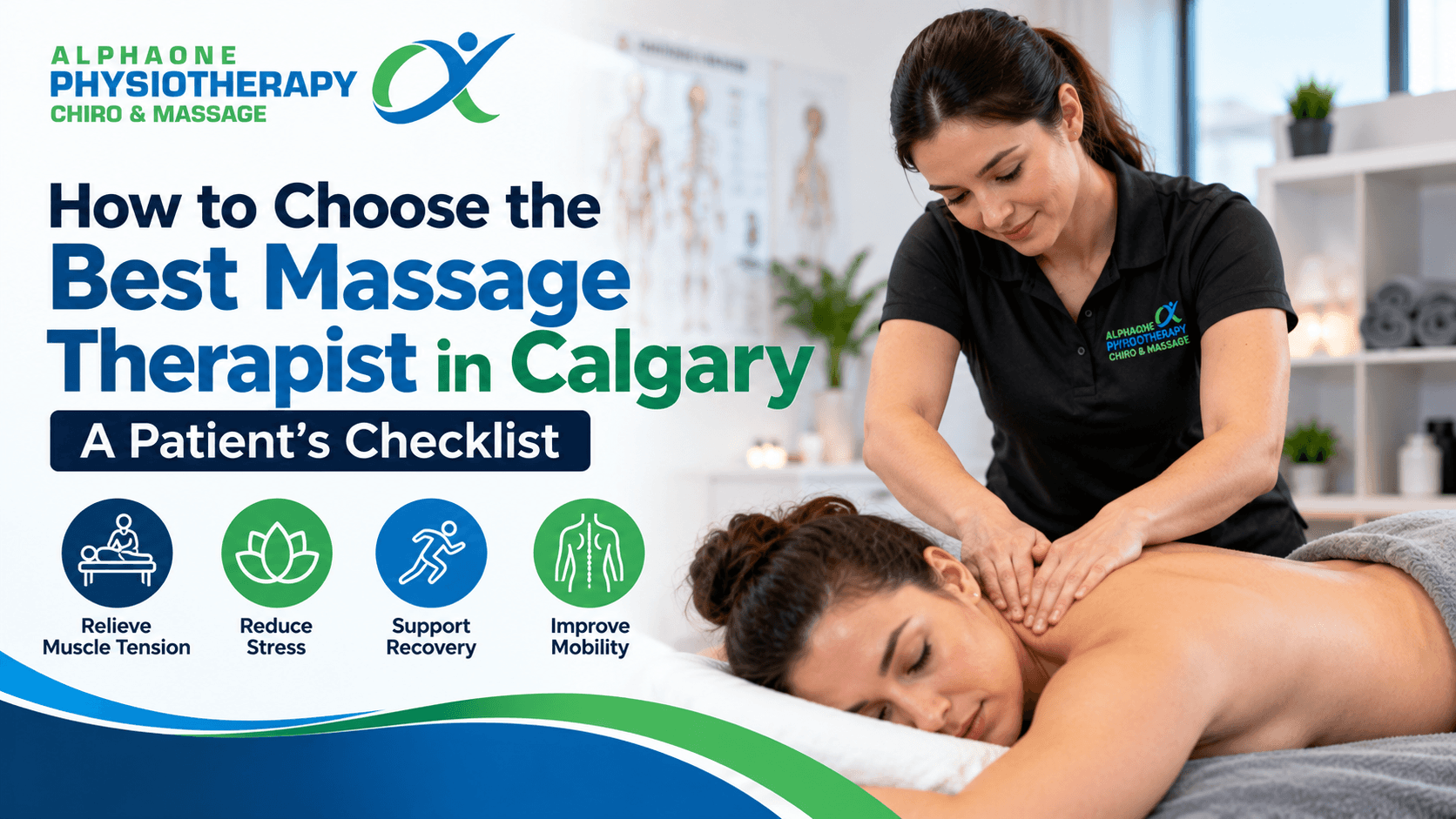
Choosing a qualified postnatal massage therapist is essential to ensure a safe and effective experience. Here are some factors to consider when selecting a therapist:
Specialization: Look for a massage therapist who specializes in postnatal massage. They should have specific training and expertise in addressing the needs and concerns of new mothers.
Certifications and Credentials: Check if the therapist has the necessary certifications and credentials. Look for qualifications such as being a licensed massage therapist or having completed specialized postnatal massage courses.
Experience: Consider the therapist’s experience in providing postnatal massage. Find out how long they have practiced and inquire about their experience working with new mothers.
Reputation and Reviews: Research the therapist’s reputation by reading client reviews and testimonials. Positive feedback and recommendations from other new mothers can give you confidence in their skills and professionalism.
Communication and Empathy: A good therapist should have excellent communication skills and be able to listen to your specific needs and concerns. They should create a safe and supportive environment and be empathetic towards the physical and emotional changes experienced during the postpartum period.
By considering these factors, you can choose a qualified postnatal massage therapist who can provide you with the support and care you need during your postpartum journey. Remember to prioritize your comfort and trust your instincts when making your decision.
Conclusion
In conclusion, self-care is of utmost importance for new mothers and postnatal massage can be a valuable tool in their overall well-being journey. The physical and emotional demands of motherhood can take a toll on the body, but through the power of touch and relaxation, postnatal massage can provide immense benefits. It promotes healing, reduces stress, relieves muscle tension, and enhances the bond between mother and baby.
At Alphaone Physio, we understand the unique needs of new mothers and offer specialized postnatal massage services to support their recovery and self-care journey. By prioritizing self-care, new mothers can nurture themselves and ultimately provide the best care for their little ones.