In today’s fast-paced world, where stress and tension have become an unwelcome norm, finding effective ways to unwind and relax is crucial. One such age-old practice that has stood the test of time is massage therapy. But have you ever wondered how this ancient art form works its magic on both the body and mind?
Massage therapy is not just a luxury indulgence but is backed by solid scientific principles explaining its numerous benefits. From physical pain relief to stress reduction and improved mental well-being, massage therapy has the potential to unlock a world of positive transformations. By understanding the intricate mechanisms that underlie this practice, we gain insight into how it can positively influence our lives.
Imagine a life where chronic pain is eased, stress melts, and a deep sense of relaxation takes over. Massage therapy offers the promise of such an existence. Knowing how this therapeutic practice affects our body and mind, you can unlock its immense potential to enhance your overall quality of life.
What is Massage Therapy?
Massage therapy is a hands-on healing technique that manipulates the body’s soft tissues to promote relaxation, relieve tension, and improve overall well-being. Tracing its roots back thousands of years, massage therapy encompasses various techniques, including kneading, stroking, and applying pressure to specific body areas. This therapeutic practice aims to release muscle tension, enhance blood circulation, reduce stress, and alleviate pain. From Swedish massage to deep tissue and aromatherapy massage, touch has evolved to cater to diverse needs, making massage therapy a versatile and effective approach to holistic healing.
What are the Psychological Benefits of Massage on the Mind?
Massage therapy provides significant psychological benefits for the mind. It promotes relaxation, reduces stress, and helps alleviate symptoms of anxiety and depression. Massage therapy enhances mood and overall well-being by releasing endorphins, known as “feel-good” hormones. It also stimulates the parasympathetic nervous system, triggering the relaxation response and promoting a sense of calm and tranquility. The therapeutic touch and human connection during a massage session can create a safe and nurturing environment, further contributing to the psychological benefits for the mind.
The Impact of Massage Therapy:
Massage therapy can positively impact various aspects of a person’s well-being. Here are some of the potential benefits and impacts of massage therapy:
Stress Reduction: Massage therapy is known to promote relaxation and help reduce stress levels. Physically manipulating muscles and tissues can release tension and promote a sense of calm.
Pain Relief: Massage therapy can alleviate both acute and chronic pain. It helps relax muscles, improves circulation, and stimulates the release of endorphins, which are natural painkillers.
Muscle Relaxation and Flexibility: Massage techniques such as kneading, stretching, and deep tissue work can help relieve muscle stiffness and tension, enhancing flexibility and range of motion.
Improved Circulation: It improves blood circulation, which aids in delivering oxygen and nutrients to the body’s tissues. It also helps remove metabolic waste and toxins from the muscles.
Enhanced Immune System: Regular massage therapy has been associated with a strengthened immune system. It can increase the activity of natural killer cells, which is crucial in defending the body against viruses and tumors.
Better Sleep: It can improve sleep quality and duration, especially for individuals with sleep disorders. It helps relax the body and mind, leading to a more restful sleep.
Rehabilitation and Injury Recovery: It can aid in the recovery process from injuries by reducing pain, inflammation, and muscle tension. It can also improve circulation and promote the healing of damaged tissues.
Improved Mental Well-being: It provides a nurturing and relaxing experience, which can contribute to overall mental well-being. It can help relieve mental fatigue, increase focus and concentration, and promote a sense of mindfulness.
Read Also: Relaxation Massage vs Deep Tissue Massage: Which One is Right for You?
Types of Massage Techniques and Their Effects
Swedish Massage:
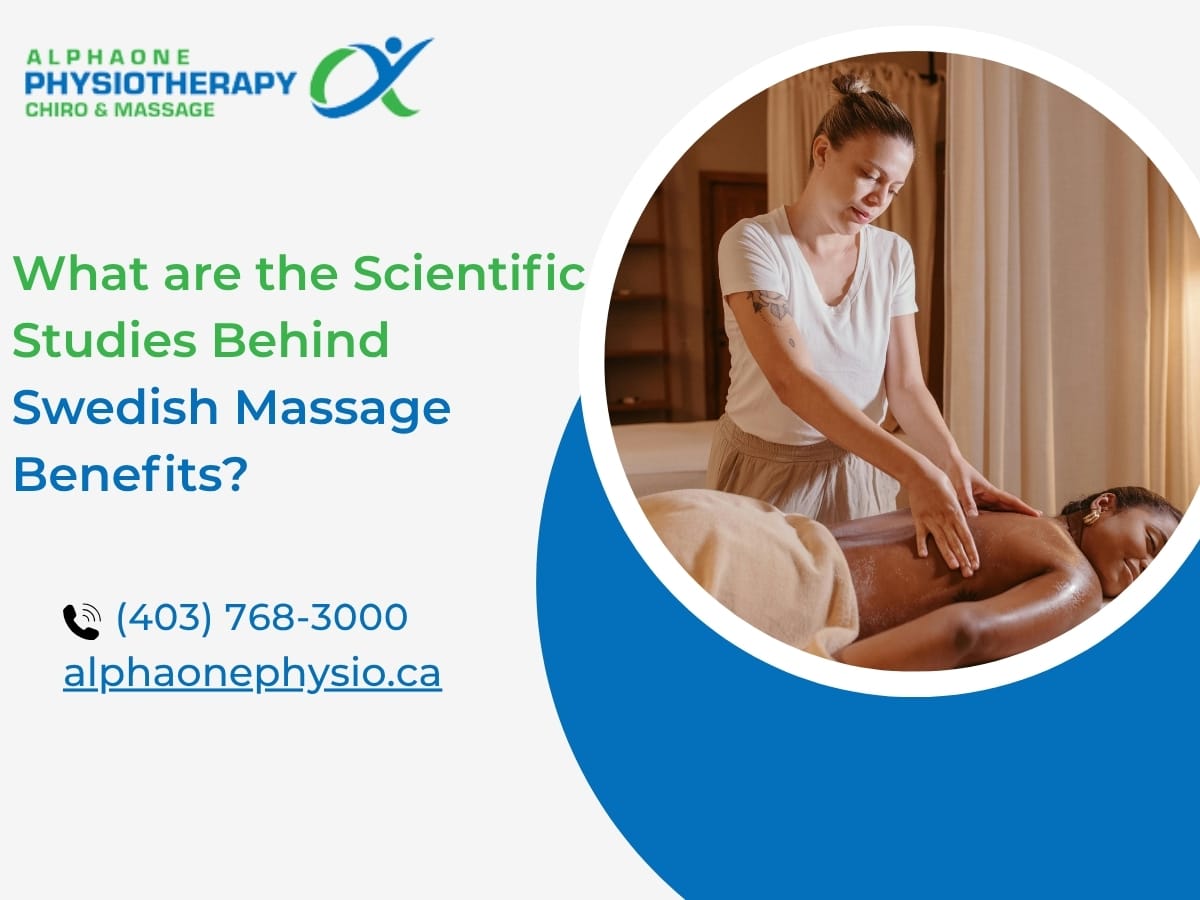
Swedish massage is known for its relaxation benefits. It promotes well-being, reduces stress and anxiety, and improves blood circulation. The long, gliding strokes and gentle kneading motions help release muscle tension and promote deep relaxation.
Deep Tissue Massage:
Deep tissue massage focuses on the muscles and connective tissues’ deeper levels. It benefits individuals with chronic muscle tension, pain, or injuries. This technique uses slow, firm pressure to break down adhesions and knots in the muscles, promoting pain relief, increased range of motion, and improved posture.
Sports Massage:
Sports massage is intended for athletes and anyone who participates in physical activities. It helps prevent injuries, improve athletic performance, and aid post-workout recovery. Sports massage techniques focus on specific muscle groups, incorporating stretching, compression, and friction to enhance flexibility, reduce muscle soreness, and promote faster recovery.
Hot Stone Massage:
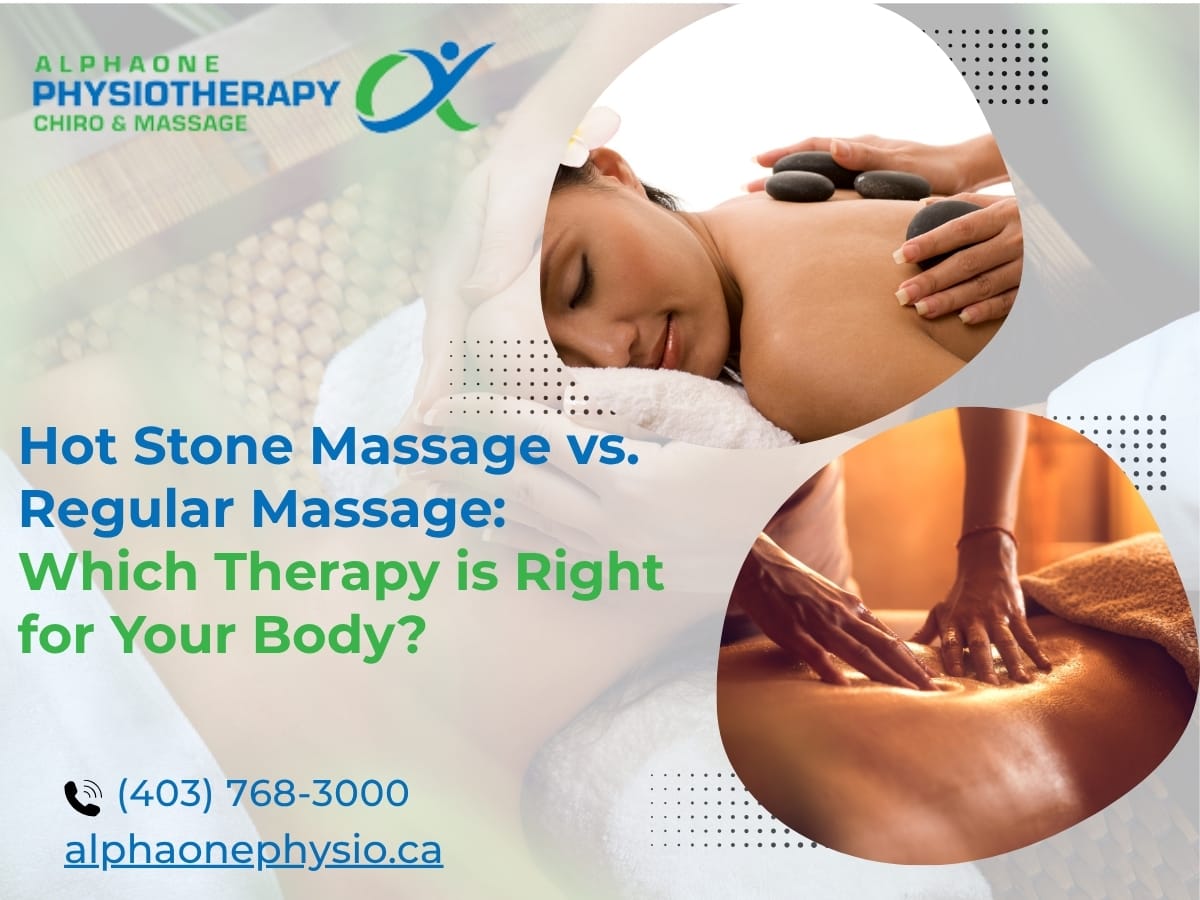
Hot stone massage involves using heated stones placed on specific body areas. The stones’ heat helps relax muscles, allowing the massage therapist to apply deeper pressure. This technique promotes deep relaxation, relieves muscle tension, and improves blood circulation. It is especially beneficial for individuals with muscle stiffness and chronic pain.
Aromatherapy Massage:
Aromatherapy massage combines traditional massage techniques with the use of essential oils. The scent and properties of the oils provide additional therapeutic benefits. Different oils have various effects, such as lavender for relaxation, eucalyptus for respiratory relief, or peppermint for invigoration. Aromatherapy massage promotes relaxation, relieves stress, and enhances the overall massage experience.
Thai Massage:
Thai massage is an ancient healing practice that combines acupressure, stretching and assisted yoga poses. It focuses on energy lines in the body and aims to restore balance and harmony. Thai massage improves flexibility, relieves muscle tension, and increases energy flow. It leaves individuals feeling rejuvenated, energized, and more balanced.
Conclusion
In conclusion, the science behind massage therapy reveals its profound effects on the body and mind. Massage therapy offers a holistic approach to well-being, from reducing stress and relieving pain to improving circulation and promoting better sleep. AlphaOne Physio, a trusted massage therapy provider, understands these techniques’ therapeutic power. With our skilled therapists and commitment to individualized care, we ensure that each client receives personalized treatment tailored to their specific needs. By harnessing the science of massage therapy, AlphaOne Physio empowers individuals to enhance their physical and mental health, leading to a more balanced and harmonious life.