Have you recently endured an injury or disability caused by a motor vehicle accident? If so, you might be contemplating MVA rehabilitation and treatment. Rehabilitation can help restore your physical, mental, and emotional well-being—a crucial step in the recovery journey after an accident.
AlphaOne Physiotherapy, a renowned clinic based in Calgary, NE, is one such place that offers a comprehensive range of Treatments for MVA Rehabilitation. With a team of skilled therapists, we aim to provide the best possible care tailored to your unique needs.
In this guide, we will delve into the basics of MVA rehabilitation. We’ll discuss how the process works, who should seek out rehabilitation treatments following car accidents.
Common Injuries Related to MVA
Each motor vehicle accident is unique, with varying factors such as speed, impact direction, and safety measures influencing the type and severity of injuries sustained. Some common injuries include:
- Soft Tissue Injuries:
These injuries involve damage to the body’s connective tissues – muscles, ligaments, and tendons. A common soft tissue injury is whiplash, often caused by the sudden, forceful movement of the head and neck in an accident. Whiplash can lead to ongoing neck pain, stiffness, and loss of range of motion.Recommended: Treatment for whiplash and neck injuries after motor vehicle accidents
- Brain Injuries:
Brain injuries can occur from a sudden jolt or blow to the head during an accident, causing the brain to collide with the inside of the skull. This can lead to concussions or more severe traumatic brain injuries, leading to symptoms like headaches, confusion, dizziness, and changes in personality or behavior. - Strain Injuries:
Strains occur when a muscle or tendon is stretched or torn, often from sudden twists or pulls during an accident. These injuries can cause pain, swelling, and difficulty moving the affected area.
Symptoms Related to MVA
Post-accident, it’s crucial to monitor any physical signs your body might display. Common symptoms include:

- Neck and Shoulder Pain: Neck and shoulder pain is common following an accident, often due to whiplash or strain injuries. This pain can be accompanied by stiffness, reduced range of motion, and difficulty performing everyday activities.
Read Also: Say Goodbye to Back, Neck, and Shoulder Pain with Massage Therapy
- Chronic Pain: Chronic pain is persistent pain that continues for weeks or months after an accident. This could be due to unresolved injuries or the development of conditions like post-traumatic arthritis.
- Loss of Range: Difficulty moving a body part or a reduced range of motion can indicate a serious injury, such as a fracture, severe strain, or sprain.
- Blurry Vision: Blurry vision can signify a concussion or other brain injury. It may also indicate an injury to the eye itself.
Comprehensive Range of Treatments for MVA Rehabilitation
Rehabilitation after a motor vehicle accident (MVA) can involve a diverse range of treatments aimed at healing injuries, restoring function, and improving quality of life.
Physical Therapy:

Physical therapy is often a cornerstone of MVA rehabilitation. It involves various techniques to reduce pain, improve mobility, and restore function. Common physical therapy methods include:
- Exercise programs: Tailored exercises to improve strength, flexibility, and balance.
- Manual therapy: Techniques such as massage and manipulation to relieve pain and improve movement.
- Hydrotherapy: Use of water-based exercises to support rehabilitation.
Medication Management:

Medication can play a crucial role in managing pain and inflammation after an MVA. Some commonly used medications include:
- Pain relievers: Over-the-counter or prescription medications to manage acute or chronic pain.
- Anti-inflammatories: Medications to reduce inflammation and swelling.
- Muscle relaxants: Medication to alleviate muscle spasms or tension.
Psychological Therapies:

Psychological therapies can help manage the emotional and mental health impacts of an MVA. These may include:
- Cognitive-behavioral therapy: A type of talk therapy that helps change negative thought patterns and improve coping skills.
- Mindfulness techniques: Strategies such as meditation and deep-breathing exercises to reduce stress and promote relaxation.
- Trauma-focused therapies: Specialized therapies to address symptoms of post-traumatic stress disorder (PTSD) following an accident.
Assistive Devices:

Some people may need assistive devices to improve mobility and independence during recovery. These may include:
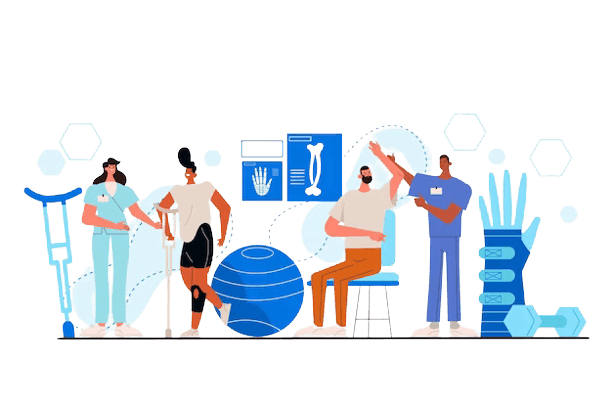
- Mobility aids: Devices such as crutches, canes, or wheelchairs to assist with movement.
- Orthotic devices: Custom-made braces or supports to improve alignment and function.
- Adaptive equipment: Tools to make daily tasks easier, such as reachers, button hooks, or modified utensils.
Conclusion
AlphaOne has been providing comprehensive care for individuals recovering from MVA Treatment in Calgary for many years. Our therapists are dedicated to addressing physical, mental, and emotional trauma, facilitating faster and more efficient recovery.
Our adept physiotherapists, chiropractors, and Registered Massage Therapist Calgary are skilled in various therapies that can help restore mobility and alleviate pain. The ultimate goal is to enable individuals to return to their normal daily activities as soon as possible; however, it’s also essential for people who have experienced a motor vehicle accident to get individualized treatment.