Car accidents can occur unexpectedly and affect anyone. Even minor accidents can have serious physical effects. The trauma from a car accident impacts your body in ways you may not notice immediately. You might feel fine at first, but over time, symptoms like neck pain, reduced range of motion, and chronic pain can emerge.
Understanding what happens to your body after a car accident and how physiotherapy can help with recovery is essential. Today, we will explain how accidents affect your body and how professional care, including car accident physiotherapy treatment in Calgary, can get you back to feeling like yourself again.
Immediate Effects of a Car Accident on Your Body
Car accidents cause a sudden jolt to your body, leading to various injuries. The most common injuries after a car accident can include:
- Whiplash: Rapid back-and-forth movement of the neck can cause whiplash, which causes neck pain and stiffness.
- Bruising and Inflammation: Seatbelts, airbags, and other impact points often lead to bruising.
- Concussions or Traumatic Brain Injuries (TBIs): Your brain can hit the inside of your skull, leading to headaches, dizziness, or confusion.
- Back and Spinal Injuries: Sudden impact stresses your spine, leading to back pain, herniated discs, or other spinal issues.
- Muscle Strains and Sprains: Impact can overstretch muscles and ligaments, leading to pain and reduced range of motion.
Read Also: What is a whiplash injury? symptoms & treatment
Common Symptoms After a Car Accident
The symptoms you experience after a car accident can vary depending on the accident’s severity. Here are some common symptoms:
- Neck Pain: Stiffness and discomfort in the neck are typical after whiplash.
- Headaches: Often linked to concussions or stress from the accident.
- Back Pain: Strains and injuries in the lower back or upper spine.
- Reduced Range of Motion: Difficulty moving your neck, shoulders, or back.
- Chronic Pain: Ongoing pain in areas affected by the accident.
- Numbness or Tingling: This can be a sign of nerve damage.
- Fatigue: Feeling unusually tired is also a common sign of physical trauma.
How Does Physiotherapy Help with Recovery After a Car Accident?
Physiotherapy is one of the most effective treatments to help you recover from a car accident. It’s a non-invasive, drug-free approach that addresses the pain, stiffness, and loss of movement that often come after an injury. Here’s how physiotherapy can help with recovery:
Pain Management
After a car accident, you might experience chronic pain in various parts of your body, like your neck, back, or shoulders. Physiotherapists use manual therapy, soft tissue massage, and electrical stimulation to reduce pain. These methods target sore muscles, improve blood circulation, and reduce inflammation, helping to manage pain naturally.
Restoring Range of Motion
Car accidents often leave people with stiffness or a reduced range of motion, particularly in the neck and back. Physiotherapists help restore flexibility and mobility through therapeutic exercises and stretches. These exercises gradually stretch tight muscles and improve joint movement, allowing people to regain the ability to perform daily activities without discomfort.
Faster Healing Process
Physiotherapy boosts your body’s healing process by improving blood circulation to the injured areas. Techniques like electrical stimulation or manual therapy promote the flow of oxygen-rich blood, which helps your tissues heal more quickly and efficiently. This reduces pain and helps damaged tissues and muscles repair faster.
Personalized Treatment Plans
Every injury is different, which is why physiotherapy offers personalized treatment plans. Your physiotherapist will assess your injury and create a personalized plan for you. This ensures that you receive targeted care that focuses on your unique pain points and recovery needs, helping you achieve your best possible outcome.
Preventing Long-Term Issues
Without proper treatment, car accident injuries can turn into long-term problems like chronic pain or limited movement. Physiotherapy works to prevent these issues by addressing the root causes of pain and stiffness early on. Strengthening exercises, stretches, and rehabilitation help prevent future injuries and ensure your body heals properly.
Which physiotherapy techniques help in recovery?
Physiotherapy involves a variety of techniques that help speed up recovery after a car accident. These techniques target pain relief, restore movement, and improve overall function. Here are some key physiotherapy techniques that can aid in your recovery:
Manual Therapy

Manual therapy involves hands-on techniques to relieve muscle tension and improve joint mobility. This helps reduce pain, stiffness, and inflammation, allowing you to regain your range of motion. It includes:
- Soft Tissue Massage: Relaxes tight muscles and improves blood flow to the affected areas.
- Joint Mobilization: Gently moves joints to restore normal movement and reduce stiffness.
Therapeutic Exercises

A core part of physiotherapy, therapeutic exercises strengthen muscles and improve flexibility. These exercises target areas weakened or injured during the car accident and help restore your functional abilities.
- Stretching Exercises: Reduce muscle tightness and improve flexibility.
- Strengthening Exercises: Focus on rebuilding strength in weakened muscles, which supports better movement.
- Range of Motion Exercises: Help restore full movement in stiff joints and muscles, making it easier to perform daily activities.
Electrical Stimulation
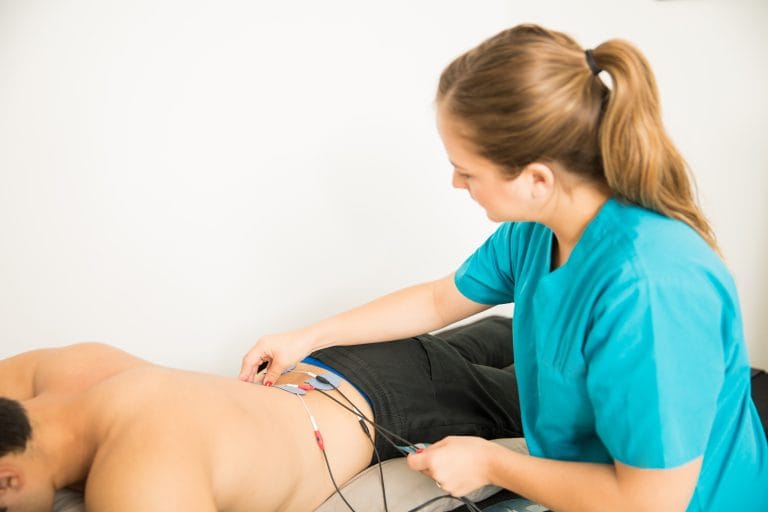
Electrical stimulation is a therapy that uses mild electrical currents to stimulate injured muscles and nerves. This technique helps with pain management and muscle recovery by:
- Reducing pain signals.
- Enhancing blood circulation to promote healing.
- Stimulating muscles to prevent atrophy (muscle loss) during recovery.
Heat and Cold Therapy
Heat and cold therapy are often used in the early stages of recovery. They help manage pain and reduce inflammation:
- Heat Therapy: Improves blood circulation, relaxes tight muscles, and soothes chronic pain.
- Cold Therapy: Reduces swelling and numbs acute pain after an injury.
Wrapping Up
Recovering from a car accident can take time, but with the right help, it’s possible to regain your health and strength. Physiotherapy offers effective solutions for managing common car accident injuries like whiplash, back pain, and more. If you’ve experienced a car accident, seeking car accident physiotherapy treatment in Calgary can support your recovery and get you back to your best.
At Alphaone Physio, we specialize in personalized treatment plans that focus on restoring your range of motion and improving your overall well-being. Let us guide you through your recovery process. Contact us today for a consultation and start your journey back to health.
FAQs
In many places, you can see a physiotherapist without a referral. However, it’s always a good idea to check with your insurance company and local healthcare regulations. Some insurance providers may require a doctor’s referral.
You should start physiotherapy as soon as your doctor clears you for treatment. Early intervention can help reduce pain, prevent stiffness, and speed up your recovery process. Waiting too long could delay your healing.
In many cases, car insurance policies cover physiotherapy as part of your accident recovery. Check with your insurance company to see what’s included in your policy. Your physiotherapist can also help you navigate the paperwork.
Yes, physiotherapy is highly effective for treating whiplash. Through targeted exercises and manual therapy, physiotherapists can help reduce pain, improve range of motion, and restore function in your neck.