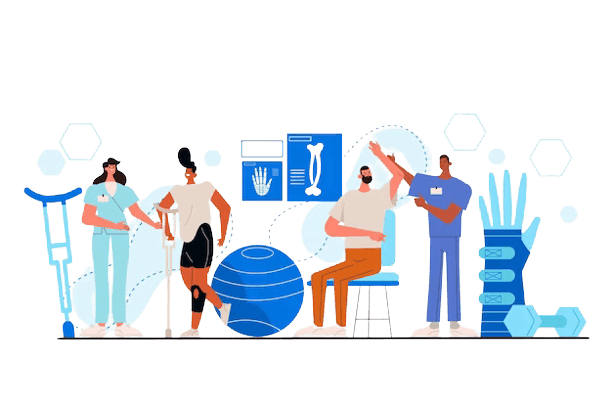
Physiotherapy is changing very fast. New tools, better methods, and smarter care are shaping how treatment is given today. People now expect faster recovery, less pain, and long-term results. Because of this, current trends in physiotherapy are more focused on technology, data, and personalised care.
At the same time, experts are also working on solving current issues in physical therapy, such as delayed recovery, poor patient follow-up, and lack of access in remote areas. This is why the industry is moving toward more advanced and connected systems.

Emerging Trends and Modern Techniques in Physiotherapy
Personalised Treatment Plans Are Becoming Standard
One of the most important trends in physical therapy is personalisation. Earlier, treatment plans were similar for most patients. Today, every plan is designed based on:
- Body condition
- Pain level
- Medical history
- Lifestyle and activity level
This approach improves recovery speed and reduces the risk of repeat injuries. It is also considered one of the most effective new techniques in physiotherapy because it focuses on the root cause, not just symptoms.
Use of Technology in Physiotherapy
Technology is playing a big role in shaping new physiotherapy treatments and technologies. Clinics are now using advanced tools to improve accuracy and results.
Key technologies used today:
- AI-based movement tracking to analyse posture and motion
- Virtual reality (VR) for guided exercises and pain distraction
- Wearable devices to track recovery progress
- Mobile apps for home exercise programs
Studies show that patients using digital physiotherapy tools have 30% better adherence to their exercise plans. This makes technology one of the strongest drivers of recent advancements in physiotherapy.
Rise of Tele-Physiotherapy
Telehealth is now a major part of new trends in physical therapy. Patients can consult physiotherapists from home through video sessions.
This method is useful for:
- Follow-up sessions
- Minor injury care
- Remote patients
- Busy working individuals
During the pandemic, tele-physiotherapy increased by more than 250% globally. Even today, it remains a key part of the future of physical therapy because it saves time and improves access.
Manual Therapy Is Becoming More Advanced
Manual therapy is still important, but it is now more refined and targeted. Therapists are using better techniques to improve results.
Popular manual methods include:
- Myofascial release
- Joint mobilisation
- Soft tissue therapy
- Trigger point therapy
These methods are now combined with modern tools. This mix of traditional and modern care defines many current trends in physiotherapy.
Focus on Preventive Care
Earlier, people visited physiotherapists only after injury. Now, prevention is becoming a key focus.
Preventive physiotherapy includes:
- Posture correction
- Strength training
- Workplace ergonomics
- Injury risk assessment
Research shows that preventive care can reduce injury risk by up to 40% in active individuals. This shift is a major part of the future of physical therapy.
Integration with Other Treatments
Physiotherapy is no longer a standalone service. It is now combined with other wellness and aesthetic treatments.
Common combinations include:
- Physiotherapy + massage therapy
- Physiotherapy + laser therapy
- Physiotherapy + body contouring support
- Physiotherapy + IV therapy for recovery
This integrated model improves overall results. It is also seen as one of the most practical new techniques in physiotherapy because it treats the whole body, not just one issue.
Use of Laser and Electrotherapy
Advanced machines are now widely used in physiotherapy clinics.
Common technologies:
- Laser therapy for pain relief and tissue healing
- Ultrasound therapy for deep muscle treatment
- TENS (Transcutaneous Electrical Nerve Stimulation) for pain control
- Shockwave therapy for chronic injuries
These methods reduce pain faster and improve healing time. Many experts consider them key parts of recent advancements in physiotherapy.
Data-Driven Treatment and Progress Tracking
Modern physiotherapy is now based on data. Therapists track patient progress using measurable results.
What is tracked:
- Range of motion
- Strength improvement
- Pain levels
- Recovery time
This approach helps in making better decisions. It also improves patient confidence. Data-driven care is a strong example of trend physio, where science and technology work together.
Sports and Performance Physiotherapy
Athletes now depend heavily on physiotherapy not just for recovery but also for performance.
Focus areas include:
- Muscle strength
- Flexibility
- Injury prevention
- Faster recovery
Elite sports teams use advanced physiotherapy methods to reduce downtime. This area is growing fast and shaping many physical therapy trends worldwide.
Addressing Current Issues in Physical Therapy
Despite growth, there are still challenges in the industry.
Major issues include:
- Lack of awareness in smaller cities
- Limited access to advanced technology
- High treatment costs in some clinics
- Patient drop-off during long recovery plans
To solve these, clinics are adopting digital tools, flexible pricing, and better patient education. Solving these current issues in physical therapy is important for long-term growth.
What the Future Looks Like
The future of physical therapy is expected to be more connected, faster, and more personalised.
Key future developments:
- AI-based diagnosis and treatment planning
- Robotic-assisted physiotherapy
- Smart wearable recovery systems
- Fully remote rehabilitation programs
Experts believe that by 2030, more than 50% of physiotherapy sessions may include digital support. This clearly shows how strong the future of physical therapy is.
Why Choose Us?
Choosing AlphaOne Physiotherapy means opting for a team dedicated to elevating your health and well-being. Located in NE Calgary, this clinic stands out for its commitment to providing customized care tailored to each patient’s unique health needs and conditions.
With a team of certified therapists skilled in a wide range of treatments and Physiotherapy in Mississauga—from manual therapy and acupuncture to massage therapy and chiropractic care we ensure comprehensive support for those seeking relief from pain, discomfort, or weakness. Immediate booking availability, direct billing options, and a patient-centric approach underscore their dedication to convenience and care. Whether recovering from an injury, managing chronic pain, or seeking to improve your quality of life, Our personalized treatment plans are designed to help you return to your daily routines as quickly and effectively as possible.
Conclusion
Physiotherapy is moving toward a smarter and more advanced system. The use of technology, personalised care, and integrated treatments is improving patient outcomes. These new trends in physical therapy are not just improving recovery but also changing how care is delivered.
Combining modern tools like laser therapy, body treatments, and recovery-focused services, clinics can offer complete wellness solutions.
At AlphaOne Physiotherapy phsiotherapy calgary ne, the focus is on combining modern techniques with expert care. With the right guidance, structured plans, and advanced treatments, patients can improve strength, reduce pain, and return to normal life with confidence.
Frequently Asked Questions
The 5 D’s are dizziness, diplopia, dysarthria, dysphagia, and drop attacks. They indicate serious neurological conditions requiring immediate medical evaluation.
The 7 pillars include assessment, diagnosis, planning, intervention, evaluation, education, and prevention. These guide effective patient care and long-term recovery outcomes.
The F words are function, family, fitness, fun, friends, and future. They focus on holistic, patient-centered care, especially in pediatric physiotherapy.
The 4 pillars are manual therapy, exercise therapy, electrotherapy, and patient education. These form the foundation of effective physiotherapy treatment plans.
FWW means front-wheeled walker. It is a mobility aid with two front wheels, helping patients walk safely while maintaining balance and stability.