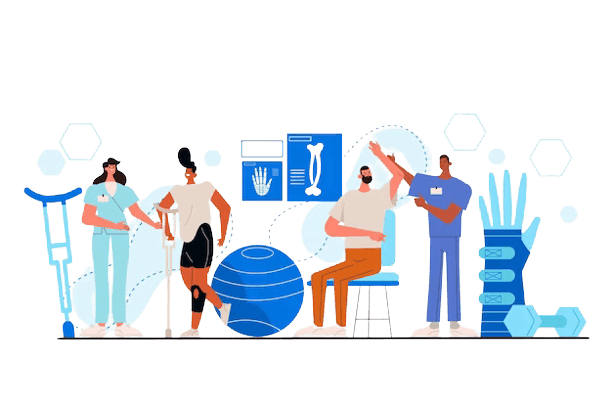
Sports injuries are a common occurrence for athletes and fitness enthusiasts alike. From the weekend warrior to the professional athlete, understanding and preventing sports-related fractures is crucial for maintaining a healthy, active lifestyle.
Alphaone Physio in Calgary, a leading healthcare provider in sports medicine, emphasizes the importance of awareness and preventive measures in sports injuries. Our experts combine cutting-edge research with personalized care plans to ensure each athlete receives the best possible injury prevention and recovery guidance. This comprehensive guide will explore simple yet effective strategies to understand and prevent common sports fractures.
What Are the Most Common Types of Sports Injuries, and How Do They Occur?
The most common sports injuries occur due to overexertion, improper technique, lack of conditioning, or accidents during physical activities. Here are some frequent injuries:
- Ankle Sprain: This often happens when the foot turns inward, stretching or tearing the ligaments on the outside of the ankle.
- Groin Pull: Common in sports like soccer, football, and hockey, a groin pull is a strain of the inner thigh muscles.
- Hamstring Strain: Occurs when the hamstring muscles are overstretched or overloaded, often due to sudden starts or stops in running.
- Shin Splints: Characterized by pain along the inner edge of the shinbone, typically caused by repetitive stress on the shinbone and the tissues attaching it to the surrounding muscles.
- Knee Injury: ACL Tear: The anterior cruciate ligament (ACL) in the knee can be torn during activities involving sudden stops or changes in direction. Mostly happens in Basketball players.
- Knee Injury: Patellofemoral Syndrome: This injury results from the repetitive movement of the kneecap against the thigh bone, which can damage the tissue under the kneecap.
- Tennis Elbow (Lateral Epicondylitis): A common overuse injury affecting the outer part of the elbow, usually due to repetitive wrist and arm motions.
How Can Athletes Recognize and Respond to the Early Signs of a Fracture or Injury?
Athletes can recognize and respond to the early signs of a fracture or injury by being attentive to specific symptoms and taking immediate action. Here are key points to consider:
- Pain and Swelling: One of the first signs of an injury, especially a fracture, is sharp, acute pain at the injury site, often accompanied by swelling. This pain typically worsens with range of motion or pressure.
- Bruising or Redness: Bruising or redness can indicate a more severe injury, such as a fracture or sprain.
- Limited Mobility or Deformity: Difficulty moving the injured area or a visible deformity often suggests a significant injury like a fracture or dislocation.
- Audible Sounds at Time of Injury: A snapping or popping sound at the time of injury can indicate a severe issue, such as a ligament tear or bone fracture.
- Weight Bearing Difficulty: If bearing weight on the injured area causes intense or impossible pain, this could indicate a serious injury.
What Role Does Proper Equipment and Training Play in Injury Prevention?
Proper equipment and training play a critical role in injury prevention in sports. They provide the necessary support and protection to the body, helping to minimize the risk of injuries during physical activities. Here’s how:
- Protective Equipment: Helmets, mouth guards, and pads are essential for contact sports to prevent fractures and facial injuries.
- Appropriate Footwear: This can prevent ankle sprains and provide better support during physical activities.
- Strength and Flexibility Training: Regular exercise programs enhance muscle strength and joint stability, reducing the risk of injury.
- Proper Technique and Form: Correctly executing movements can prevent chronic pain, Wrist Injuries, cartilage injuries, Nose Injuries, and acute injuries.
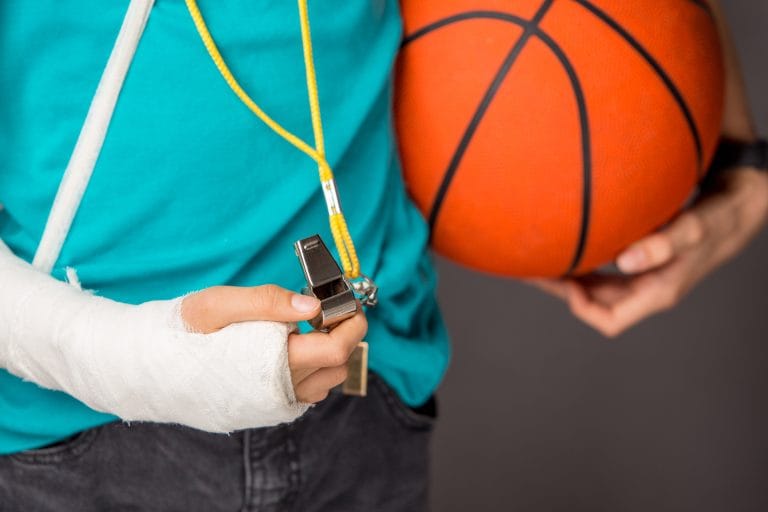
How Does Lifestyle Impact the Risk of Sports Injuries?
Lifestyle significantly impacts the risk of sports injuries. Various lifestyle factors can either increase or decrease this risk:
- Regular Exercise: Maintains muscle and bone strength, reducing the risk of fractures.
- Balanced Diet: Ensures adequate nutrient intake for bone and muscle health.
- Adequate Rest and Recovery: Prevents overuse injuries by allowing the body to heal.
- Hydration and Heat Safety: Crucial for preventing heat exhaustion and heat stroke during intense physical activity.
When Should You Consult Healthcare Providers, and What Are the Treatment Options?
Consulting healthcare providers is essential in certain situations, and various treatment options are available depending on the nature and severity of the injury:
- Severe Pain or Swelling: If the pain is intense and does not subside with basic first aid or if swelling is significant.
- Deformity or Inability to Move the Injured Area: Any visible deformity or inability to move a limb or joint should be promptly evaluated.
- Symptoms Persisting or Worsening: If symptoms like pain, swelling, or limited mobility persist or worsen over a few days.
- Recurrent Pain or Injury: Frequent injuries or chronic pain in the same area necessitate professional assessment.
- Concern for Serious Injury: Any suspicion of a more severe injury, such as a fracture, dislocation, or concussion.
Recommended: Role of Physiotherapy in Managing Chronic Sports Injuries in Calgary
Conclusion
In conclusion, Understanding common sports injuries is essential for preventing athletic injuries and managing sports-related fractures effectively. Focusing on injury prevention in sports, such as prevalent sports fractures, can significantly reduce the risk and impact of these injuries on athletes’ health and performance. Remember, staying informed and proactive is your best defense against sports-related fractures and injuries.